Phil and Penny Knight Make $2 Billion Donation to OHSU

Nike co-founder Phil Knight and his wife, Penny Knight, have pledged a record-breaking $2 billion to Oregon Health & Science University’s Knight Cancer Institute. The announcement, made on August 14, 2025, marks the largest donation ever to a U.S. university or academic health center. It surpasses the previous record of $1.8 billion given by Michael Bloomberg to Johns Hopkins University in 2018.

The gift will accelerate cancer research, expand clinical trials, and reshape patient care. It also creates the Knight Cancer Group, a self-governed entity within OHSU. Leading the group is Dr. Brian Druker, best known for developing the leukemia drug Gleevec. The Knights describe their vision simply: to “end cancer as we know it.”

Funding will support a range of initiatives. These include early detection programs, advanced diagnostics, and new therapies in precision medicine and immunotherapy. A new hospital wing, set to open in 2026, will add 128 beds for cancer patients and four floors of specialized care. Just as important, patients will gain access to wraparound services like nutrition support, genetic counseling, mental health care, and survivorship programs.

The couple’s commitment to OHSU is not new. In 2013, they pledged $500 million in a challenge gift that successfully launched major advances in cancer detection. This new donation, however, raises the stakes dramatically. Officials say it will position Portland as a global leader in cancer innovation and provide hope well beyond Oregon’s borders.

Texas Flooding: Relief and Recovery Efforts

The catastrophic flooding across Texas is mobilizing an unprecedented response from across the nation. Corporations, nonprofits, and government agencies are collaborating to provide both immediate relief and long-term recovery support as communities continue to assess the full extent of the damage.

Emergency Response and Relief Organizations

The response includes immediate rescue operations, provision of essential supplies, shelter, medical care, and long-term recovery support coordinated by key organizations making the largest impact.

Matthew 25: Ministries, in partnership with Walmart and Procter & Gamble, has set up mobile laundry, shower, and restroom units while distributing personal care products, baby supplies, and first aid kits. The Giving Block is running a $500,000 matching campaign for donations made in July, supporting a coalition of nonprofits providing emergency relief and long-term recovery.

Immediate Relief Efforts

Several organizations are providing crucial immediate assistance:

  • TEXSAR (Texas Search and Rescue) has deployed swiftwater rescue teams, boats, drones, and search dogs to locate missing persons and assist in evacuations.
  • The U.S. Coast Guard, Texas National Guard, and local emergency services are conducting boat and helicopter rescues, supported by aerial surveillance from military drones.
  • The American Red Cross and Salvation Army are operating shelters and distributing emergency supplies.
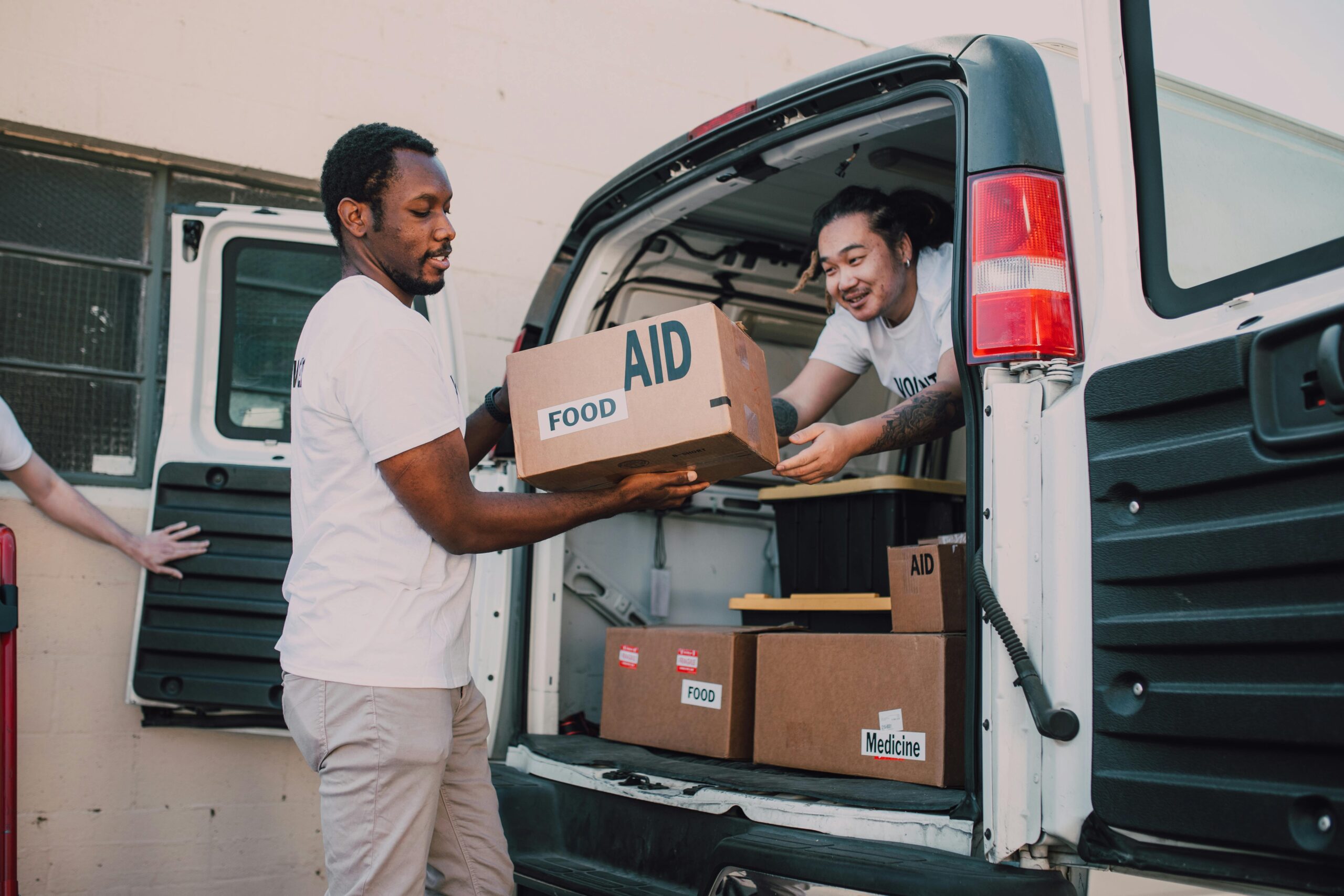
  • World Central Kitchen is delivering hot meals to affected communities and first responders, coordinating with local food banks.
  • Direct Relief is supplying medical aid to free and charitable clinics in the region and has committed emergency funding for ongoing health needs.
  • Airbnb.org is providing free emergency housing for displaced residents, working with local nonprofits and officials to identify and house those in need.

Long-Term Recovery Planning

Federal Disaster Declarations have been issued, activating FEMA support and unlocking additional resources for recovery and rebuilding. The State of Texas has extended disaster declarations for multiple counties, ensuring coordinated response and funding.

The Kerr County Flood Relief Fund, managed by the Community Foundation of the Texas Hill Country, is the primary local fund supporting rescue, relief, and recovery efforts, directing donations to vetted organizations and first responders. Mental health support and family reunification services are being coordinated as part of the disaster response.

With the scale of destruction spanning multiple counties, reconstruction will face significant challenges. However, organizations are coordinating with local partners to support home rebuilding, replace lost belongings, and provide essential services including mental health support for affected communities.

How You Can Help

Crisis reveals the power of collective action. A single donation, an hour of volunteering, a bag of supplies—each gesture ripples outward, touching lives and renewing hope. While major organizations welcome contributions, local groups also play vital roles in community recovery. With search and rescue efforts still active and long-term recovery just beginning, Texas has a long journey ahead and support remains crucial for its survival, resilience, and hopes of rebuilding.

The Prouty: Supporting Cancer Research and Care

The Prouty is an annual fundraising event that benefits the Dartmouth Cancer Center, a National Cancer Institute-designated Comprehensive Cancer Center located in New Hampshire. Launched in 1982 by a group of nurses in honor of a patient named Audrey Prouty, the event began as a cycling challenge and has since grown into the largest charitable athletic event in northern New England.

Now in its 44th year, The Prouty offers a variety of activities, including cycling routes of various distances, walking and rowing events, golf tournaments, and a two-day endurance option known as the Prouty Ultimate. In 2025, the event will also include gravel and mountain bike rides to accommodate a wider range of participants.

The main event is scheduled for July 12, 2025, in Hanover, New Hampshire. Organizers have set a fundraising goal of $10 million. Contributions are being matched dollar-for-dollar by the Jack & Dorothy Byrne Foundation.

Since its inception, The Prouty has raised more than $68 million. These funds support cancer research as well as patient services such as transportation assistance, support groups, nutrition programs, and integrative therapies.

In addition to the Hanover gathering, a Community Day & Walk in southern New Hampshire raises funds specifically for local patient needs. The 2025 goal for that event is $200,000, earmarked for services like grocery and gas gift cards.

Get Involved This Summer

Summer break offers students the chance to support their communities while gaining valuable skills. Many nonprofit organizations run structured volunteer programs tailored for teens, allowing them to make a meaningful impact in areas ranging from housing and healthcare to environmental conservation.

Habitat for Humanity engages students in building homes alongside professionals and local residents, helping address housing insecurity while teaching practical construction skills. The American Red Cross offers Youth Corps programs where students can learn CPR, organize blood drives, and participate in disaster preparedness activities.

For those interested in environmental issues, the National Park Service’s Youth Conservation Corps places students in national parks to work on trail maintenance and conservation projects. Meanwhile, students passionate about global issues can join UNICEF High School Clubs, which focus on fundraising and advocacy for children’s rights and access to basic services worldwide.

Other opportunities include volunteering with Meals on Wheels, where students deliver meals and provide companionship to homebound seniors, and participating in Best Buddies International programs that promote inclusion for individuals with intellectual and developmental disabilities.

Animal lovers can support local animal shelters helping socialize animals or assisting with adoption events. Additionally, many hospitals offer teen volunteer programs that provide insight into medical careers through administrative and patient-support roles.

Volunteering with established nonprofits gives students structured ways to contribute meaningfully to their communities. These experiences build life skills, shape career interests, and often inspire lasting commitments to civic engagement and social responsibility. Interested students should research local opportunities, as programs vary in availability and requirements.

American Generosity: Resilient but Changing

A recent AP-NORC poll found that about 75% of Americans donated to charity last year, though most gave $500 or less—far below what many nonprofits would consider a major gift. Still, in the face of inflation, reduced federal support, and heightened political distractions, the findings point to a resilient culture of giving.

Donations most often supported religious institutions and nonprofits providing essentials like food and shelter. Nearly 40% gave to faith communities, and a similar number supported basic needs organizations. Disaster relief efforts attracted donations from 30% of respondents, while 25% supported animal welfare groups. For many, trust and local impact were central to their decision to give.

Generational divides, however, raise questions about the future. Adults under 45 were more likely to report giving nothing, regardless of income level. They were also less inclined to view helping others as a personal responsibility—a shift that could affect charitable giving as wealth moves to younger hands.

Yet, individual stories reveal how personal experience continues to inspire generosity. Daniel Valdes donates to his local Catholic church because he believes in its transparency. Bethany Berry, who lost pets in the 2018 Camp Fire, gives to rescue groups and online mutual aid communities. And Regina Evans, 68, who endured storm damage to her home, still gave over $5,000 last year. “You live in this world, you should give if you expect to receive,” she said. “It never comes back in the way that you expect, and it doesn’t come back dollar for dollar. But I can say with complete surety that every dollar that I’ve ever donated came back to me in a way that I could not count.”

Non-financial giving also remains strong: 70% of Americans donated food, clothing, or household goods. However, younger adults were less likely to participate. Volunteering, too, is less common—only 3 in 10 reported giving their time.

While the size of donations may be modest, the instinct to give still endures. Grounded in lived experience and community ties, this generosity offers a meaningful foundation nonprofits can build on. The challenge is clear: engage younger donors, and diversify how giving is defined.

Bill Gates to Donate 99% of Wealth

Bill Gates has committed to giving away 99 percent of his wealth—estimated at over $100 billion—to charitable causes. Alongside this pledge, he announced that the Gates Foundation will conclude its operations by 2045.

Founded in 2000 by Bill Gates and Melinda French Gates, with early support from Warren Buffett, the foundation has become one of the largest philanthropic organizations in the world. Over the past 25 years, it has directed more than $100 million toward efforts to reduce poverty, improve global health, and expand access to education and technology.

Looking ahead, the foundation plans to double its annual spending to $200 million over the next two decades. This acceleration is intended to drive progress in key areas such as reducing childhood mortality, developing affordable vaccines, and addressing health inequities in low-income countries.

The decision to spend down the foundation’s resources reflects a strategic shift from its original plan to operate well beyond Gates’ lifetime. Instead, the focus will now be on maximizing impact within a defined timeframe.

While the Gates Foundation will remain a major force in philanthropy over the coming years, its leaders emphasize that private funding cannot replace the scale or reach of government investment. Gates has raised concerns about declining government support and U.S. cuts to foreign aid starting in 2026—a move he warns could undermine progress in public health.

Still, the foundation’s renewed urgency—and its unprecedented financial commitment—signal a determination to make measurable gains while time and resources remain to create lasting change in global health and development.

Easter Meal Initiative Serves Thousands in Northeast Ohio

Catholic Charities Diocese of Cleveland provided free Easter meals to thousands across Northeast Ohio, a region where poverty and food insecurity present significant challenges. With Cleveland’s poverty rate exceeding 30% and nearly one-fifth of county residents struggling to secure adequate nutrition, this service addressed crucial community needs.

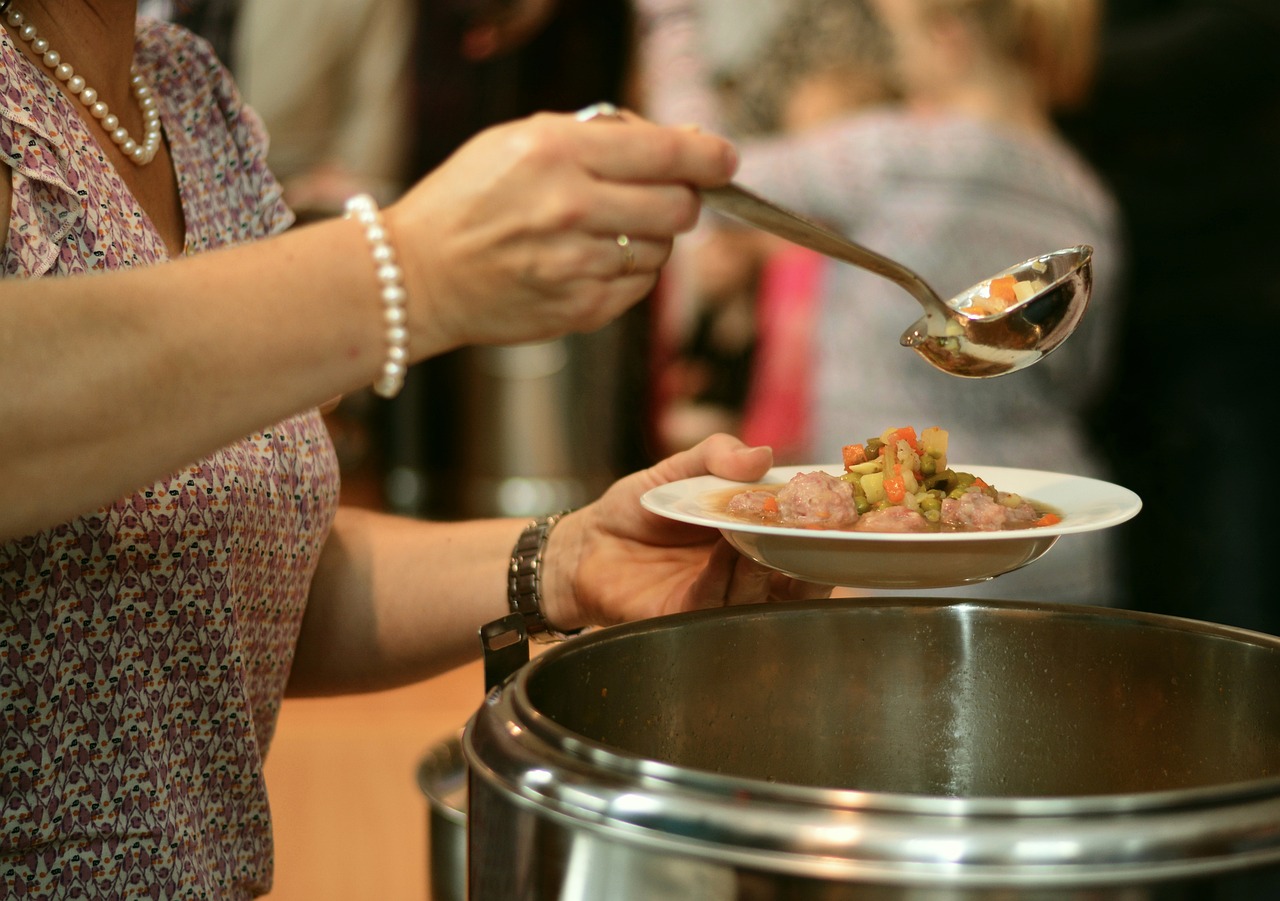
The meals were distributed both through home delivery and in-person service at the Bishop William M. Cosgrove Center in downtown Cleveland. Approximately 300 volunteers participated in food preparation, packaging, and delivery efforts.

Jim Mullen, CEO and president of Catholic Charities Diocese of Cleveland, emphasized that the initiative serves purposes beyond basic nourishment. “We hope they get some sense that people care about them,” Mullen explained, noting holidays often intensify feelings of isolation for those without social connections.

This Easter meal program is one component of Catholic Charities’ year-round response to regional food insecurity, which disproportionately affects Black and Latino communities. Economic pressures, including low median incomes and rising food costs, have increased vulnerability for many households, particularly since pandemic-era assistance programs ended.

The Catholic Charities Diocese of Cleveland also provides other services including mental health counseling, substance use treatment, adoption and foster care, early childhood education, and disability support. They also offer emergency assistance with food, housing, and utilities, as well as employment services and programs for seniors, youth, and immigrant or refugee communities. The organization continuously seeks volunteers to support their ongoing efforts to assist vulnerable populations throughout Northeast Ohio.

Powering a Greener Future

Recycle My Battery,” a nonprofit organization founded in 2019, has established more than 1,000 recycling collection points and collected over 625,000 batteries for proper disposal. The New Jersey-based initiative was created by Nihal Tammana when he was just 10 years old after learning about a lithium-ion battery explosion at a waste facility.

The organization’s primary mission addresses a significant environmental concern: improperly discarded batteries can contaminate ecosystems and pose safety hazards. Research conducted by the nonprofit demonstrates that alkaline batteries can alter soil pH to levels that inhibit plant growth, while lithium-ion batteries present fire and explosion risks when compacted in waste facilities.

Through community education programs and “The Battery Challenge” initiative designed for schools, Recycle My Battery raises awareness about proper disposal methods while making recycling accessible. The organization emphasizes that battery recycling produces fewer greenhouse gas emissions and requires less energy and water consumption compared to raw material extraction.

With approximately 1,000 volunteers worldwide, the nonprofit has expanded internationally, collaborating with Australia’s largest battery recycling company and seeing its educational materials featured in German textbooks. The organization is also developing innovative technology to harvest residual energy from used batteries—a project validated by researchers at the University of Waterloo.

Recycle My Battery aims to reach one million recycled batteries by the end of this year and create measurable positive impact through targeted waste reduction efforts. In the words of its now 15-year-old founder, “if I can make the Earth a better place to live, you can…. If you can, we all can.”

St. Patrick’s Day with Purpose

When most people think of St. Patrick’s Day, images of green beer and shamrocks come to mind. But in Pittsburgh, the holiday takes on a deeper meaning through The Ireland Funds‘ annual Pittsburgh Gala.

Founded in 1976 by Pittsburgh businessmen Dan Rooney (owner of the Pittsburgh Steelers) and Tony O’Reilly (former CEO of H.J. Heinz Co.), The Ireland Funds has raised over $650 million for causes in Ireland and Irish communities worldwide.

This year’s “Green Tie” Pittsburgh Gala, held on March 17, 2025, at Acrisure Stadium’s UPMC Club, raised more than $700,000. The event honored Chip Ganassi, who received The Daniel M. Rooney Ambassador’s Award, and Evan Frazier, who was awarded The Patricia R. Rooney Community Impact Award for his work in the Pittsburgh region.

The gala featured creative auction packages including “Touchdown in Ireland”—a trip to watch the Steelers play at Dublin’s Croke Park—and “Chase the Checkered Flag”—an Indianapolis 500 experience with Chip Ganassi Racing.

While St. Patrick’s Day is often associated with revelry, The Ireland Funds offers an alternative: a celebration that honors Irish heritage while creating tangible positive change through support for education, arts, peace initiatives, and community development.

Organ Donation in America’s Heartland

The Midwest Transplant Network (MTN), serving Kansas and Missouri, achieved progress in organ donation and transplantation during 2024, contributing to a year when the United States surpassed 48,000 organ transplants for the first time in history.

Operating from its headquarters in Westwood, Kansas, MTN facilitated 1,075 organ transplants in 2024, the highest number in its history. These lifesaving organs were recovered from 399 donors across their service region. Additionally, the organization worked with 1,447 cornea and tissue donors, enhancing the lives of countless recipients.

MTN’s success stems from its comprehensive approach to organ donation. The organization maintains partnerships with 109 hospitals across Kansas and Missouri, working closely with medical teams to identify and support potential donor cases. Their clinical coordinators operate 24/7, ensuring no donation opportunity is missed while providing compassionate care to donor families during critical moments.

The organization’s impact extends beyond immediate transplant numbers. MTN conducts community outreach across both urban and rural areas, educating residents about organ donation and maintaining donor registries. These efforts help address the ongoing need for donors in their region, where approximately 2,500 people await lifesaving transplants.

The success of organizations like MTN reflects a broader transformation in U.S. organ donation and transplantation. In 2024, the nation’s transplant system performed over 48,000 organ transplants, marking an unprecedented milestone. This achievement represented a 3.3% increase from the previous year, driven by advances in medical technology, improved donation processes, and greater public awareness. Of these transplants, more than 41,000 came from deceased donors, while living donors contributed over 7,000 organs.

Despite these advances, the need remains critical – more than 100,000 Americans continue to wait for lifesaving transplants, underscoring the importance of regional organizations like MTN in bridging the gap between donors and recipients.