World Cancer Day fell on February 4 this year. Across social media, one idea kept showing up, and it was literally upside down. The challenge asked people to post a photo or video flipped upside down and begin with the words, “Cancer turned my world upside down”. Survivors, caregivers, nurses, friends, and advocates used the format to share what changed and what helped. Some spoke about delayed diagnoses and the barriers that kept them from care. Others talked about the pressure of supporting someone through treatment and the toll it can take.
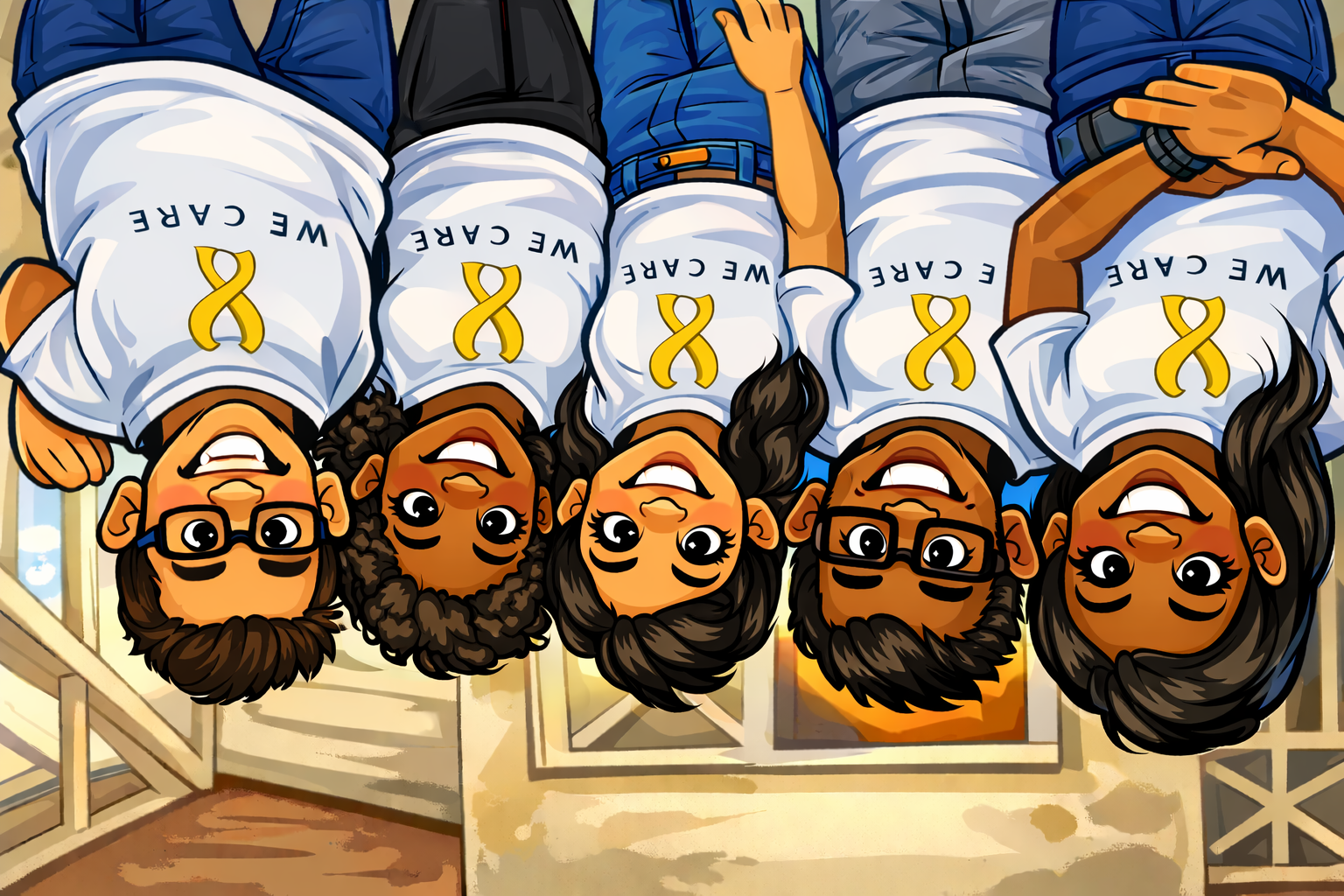
The idea spread quickly on TikTok, Instagram, and X. People posted headstands, inverted selfies, and short clips using UICC filters and tools. The World Cancer Day website collected more than 1,000 stories and placed them on a Wall of Support, making it easy for visitors to hear many voices in one place. Public participation grew further when well known figures such as King Charles and the Princess of Wales took part and shared messages that pointed back to the need for fair access to screening, treatment, and emotional support.
Charities also adapted the challenge in practical ways. Some focused attention on specific cancers and funded research through related campaigns. Communities added in person versions in gyms, schools, and local art spaces. The message was clear – when people share what cancer has done to their lives, it helps others feel less alone and it strengthens the case for better care.
By the end of the day, the Upside Down Challenge had moved beyond individual posts to become a shared record of what people were carrying. The World Cancer Day site filled with testimonies, and the growing Wall of Support made the scale visible without reducing anyone to a number. Scrolling through it, you could see how different each experience was and how often the needs overlapped. Faster routes to screening, clearer information, help with travel, time off work, and steady emotional care. The upside down images were a hook, but the words did the work. They turned private disruption into something others could witness, answer, and remember.