A recent AP-NORC poll found that about 75% of Americans donated to charity last year, though most gave $500 or less—far below what many nonprofits would consider a major gift. Still, in the face of inflation, reduced federal support, and heightened political distractions, the findings point to a resilient culture of giving.
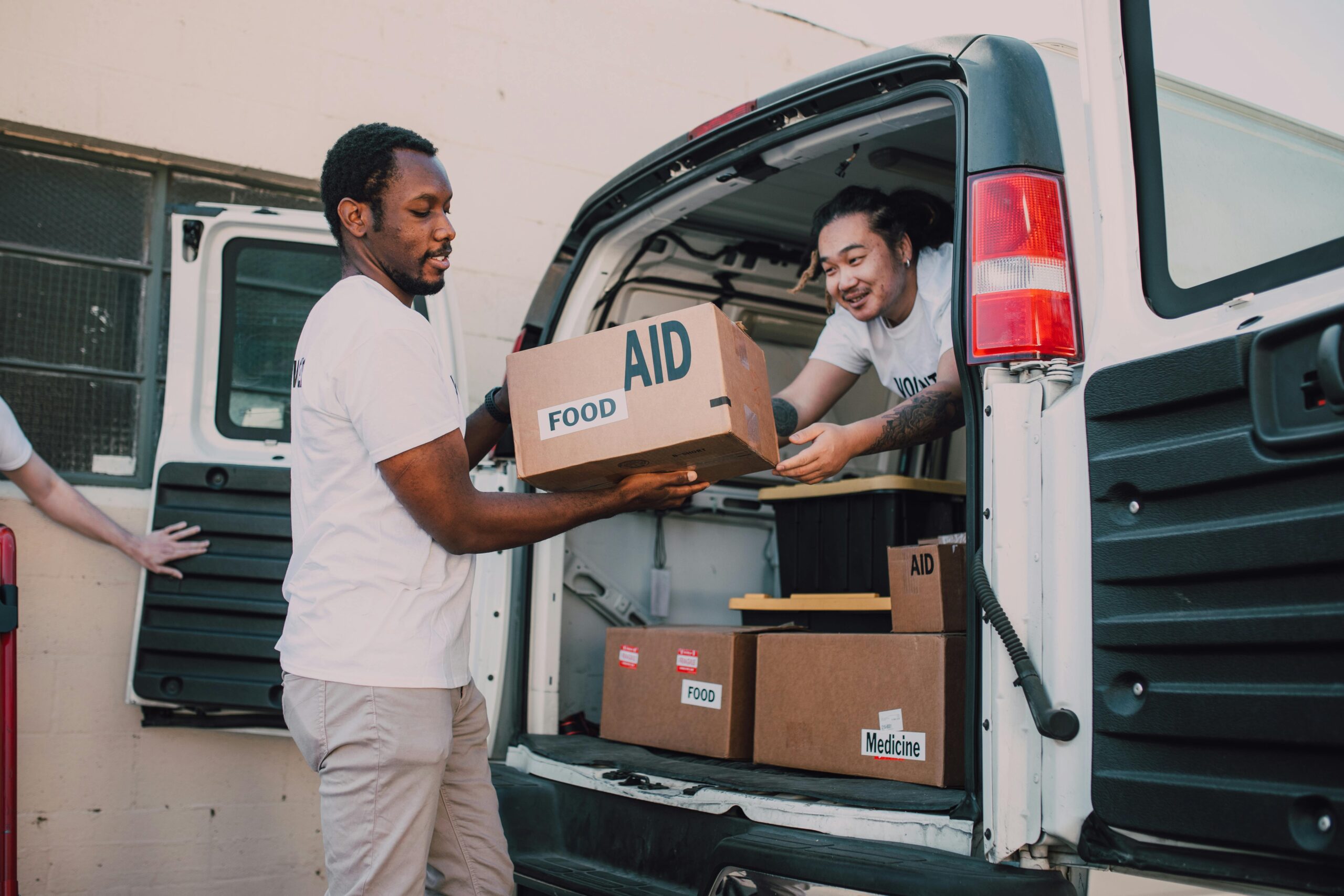
Donations most often supported religious institutions and nonprofits providing essentials like food and shelter. Nearly 40% gave to faith communities, and a similar number supported basic needs organizations. Disaster relief efforts attracted donations from 30% of respondents, while 25% supported animal welfare groups. For many, trust and local impact were central to their decision to give.
Generational divides, however, raise questions about the future. Adults under 45 were more likely to report giving nothing, regardless of income level. They were also less inclined to view helping others as a personal responsibility—a shift that could affect charitable giving as wealth moves to younger hands.
Yet, individual stories reveal how personal experience continues to inspire generosity. Daniel Valdes donates to his local Catholic church because he believes in its transparency. Bethany Berry, who lost pets in the 2018 Camp Fire, gives to rescue groups and online mutual aid communities. And Regina Evans, 68, who endured storm damage to her home, still gave over $5,000 last year. “You live in this world, you should give if you expect to receive,” she said. “It never comes back in the way that you expect, and it doesn’t come back dollar for dollar. But I can say with complete surety that every dollar that I’ve ever donated came back to me in a way that I could not count.”
Non-financial giving also remains strong: 70% of Americans donated food, clothing, or household goods. However, younger adults were less likely to participate. Volunteering, too, is less common—only 3 in 10 reported giving their time.
While the size of donations may be modest, the instinct to give still endures. Grounded in lived experience and community ties, this generosity offers a meaningful foundation nonprofits can build on. The challenge is clear: engage younger donors, and diversify how giving is defined.