As Americans prepare cranberry sauce for Thanksgiving, a quiet transformation is taking place in Massachusetts cranberry country. The berries long synonymous with the holiday are giving way to something equally valuable: restored wetlands that benefit both communities and ecosystems.
Massachusetts cranberry farming began when 19th-century farmers converted native wetlands into productive bogs, establishing an industry that would define rural communities for generations. Today, these farming families face mounting challenges as an aging workforce contends with declining berry prices and the impacts of climate change.
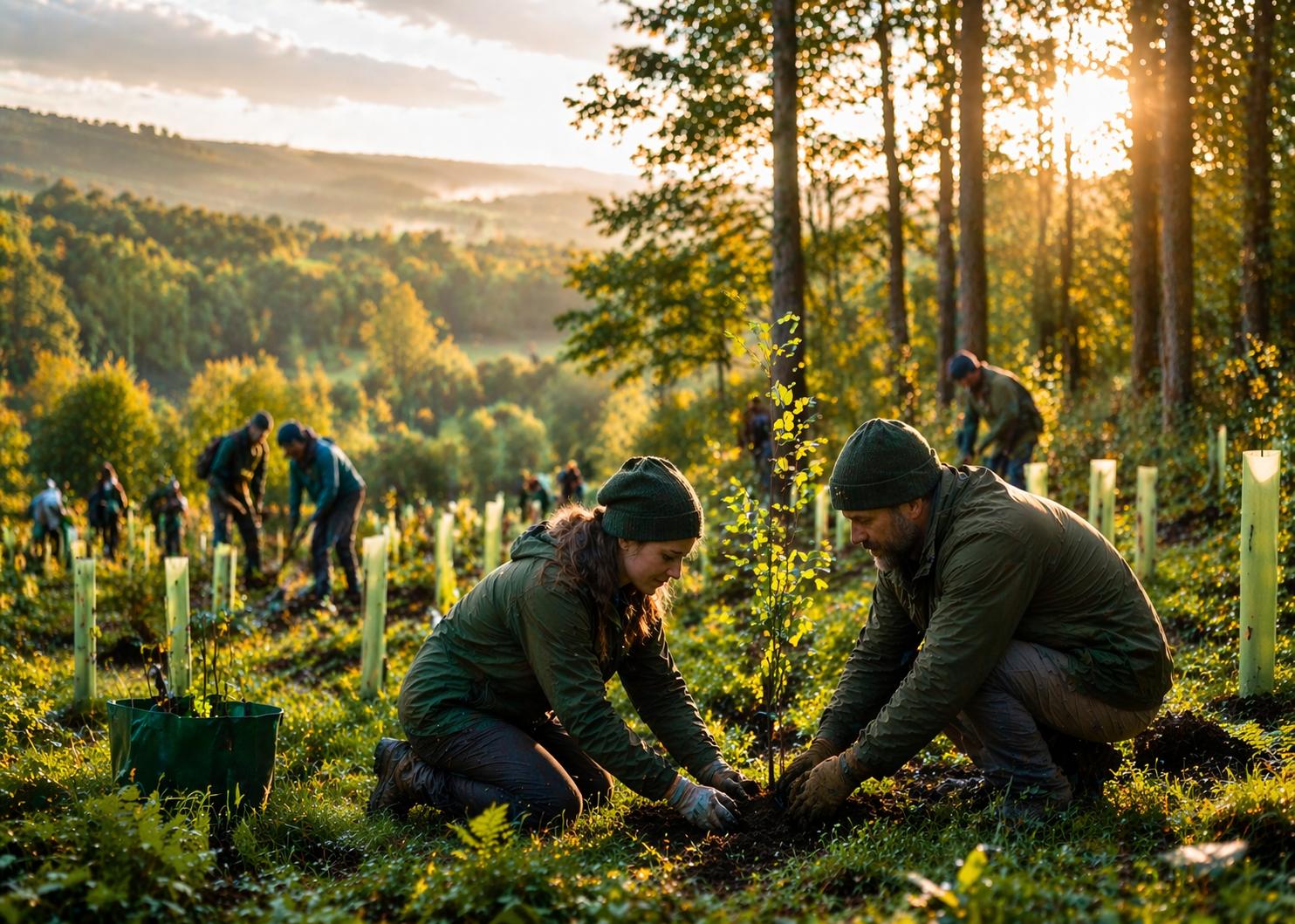
Rather than sell to developers, many growers are partnering with conservation organizations and government agencies in an unprecedented restoration effort. The Massachusetts Division of Ecological Restoration, working alongside nonprofits like the Harwich Conservation Trust, has facilitated the conversion of eight cranberry bogs back to natural wetlands, investing over $27 million. A dozen other projects are planned for the near future.
This is environmental philanthropy in action. Federal, state, and local funding covers restoration costs and provides farmers with viable economic solutions to the industry’s challenges. For example, the Harwich Conservation Trust has restored over 120 acres, allowing farmers to choose conservation and preserve their land for future generations.
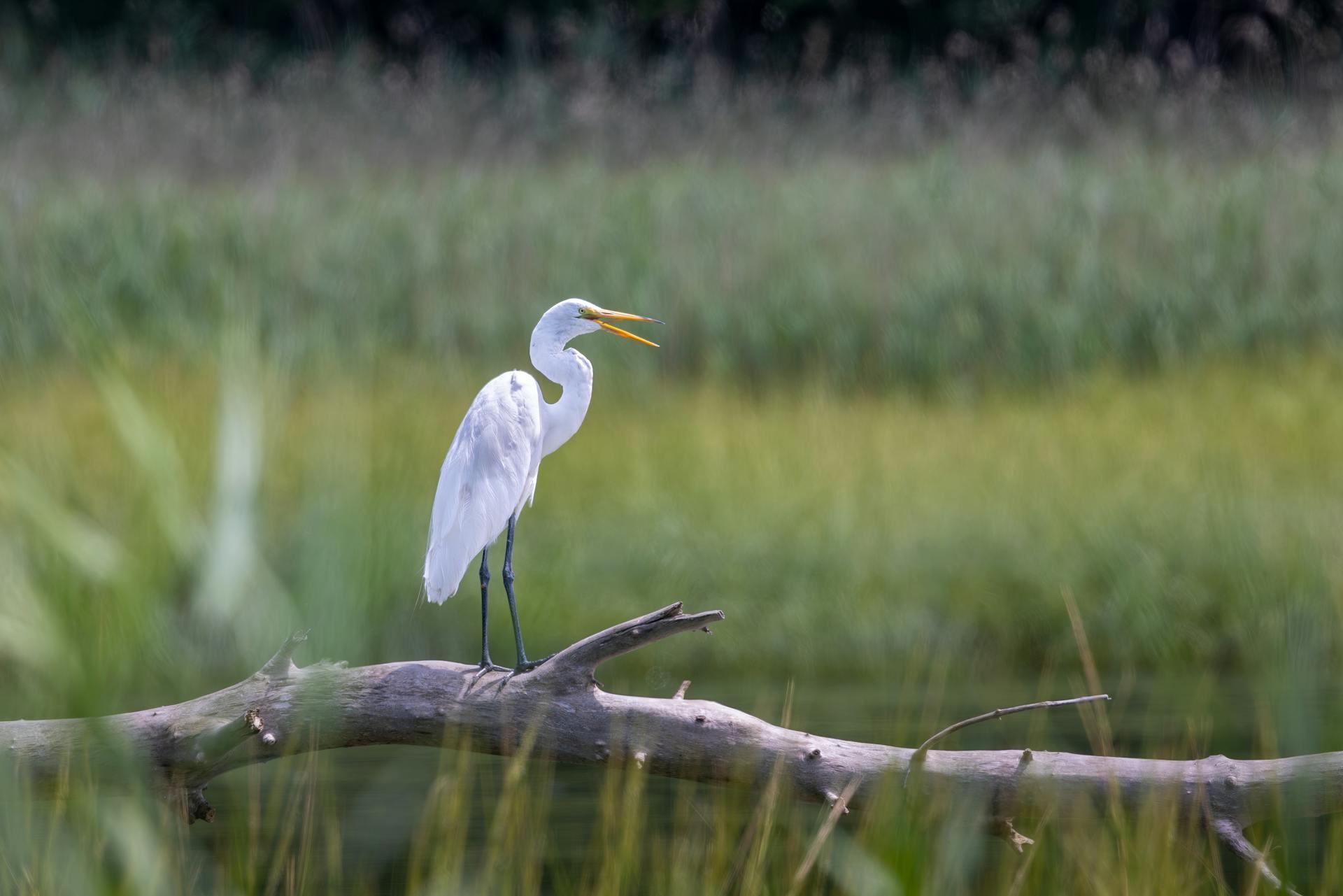
The ecological benefits of restored wetlands are substantial. They act as natural water filters, removing pollutants before they reach harbors and coastal areas. At the Eel River Preserve, century-old seeds preserved in peat have naturally regenerated native plants. This has created diverse habitats supporting wood frogs, hawks, muskrats, and beavers. Various bird species, including great blue herons and egrets, have returned to areas where they hadn’t been seen for decades.
For local communities, the wetlands serve as natural barriers against rising seas and extreme weather, offering storm surge protection and flood control. At the Cold Brook restoration on Cape Cod, a stream flows for the first time in a century, naturally processing nitrogen-rich water and saving millions in wastewater treatment costs. The sites also create recreational opportunities for hikers, bikers, and birdwatchers.
Massachusetts is showing how collaboration between farmers, nonprofits, and government agencies can transform a struggling agricultural industry into a model of ecological sustainability. This creative solution to both ecological and business challenges will serve both nature and local communities for generations to come.