The Audacious Project Raises $1 Billion

The Audacious Project, a philanthropic initiative hosted by TED, raised $1.03 billion in two days to support large scale nonprofit work around the world. The funding will support more than a dozen organizations working on health, education, environmental protection, and humanitarian response.

The Audacious Project invites nonprofits to present plans that require funding beyond the reach of traditional grants. After a year-long selection process, selected organizations present their work directly to a room of donors who pledge funds together. Fifty five families fund The Audacious Project, and each commits a minimum donation of $10 million. The collective setting often leads to larger commitments as donors build momentum during the gathering.

Several organizations secured major support in this round of funding. The African nonprofit Tiko received backing to expand health services for teenage girls. Its programs provide contraception, HIV care, and support for survivors of sexual violence. The organization plans to reach more communities across Africa where access to care remains limited.

Last Mile Health received a second grant through the program. The funding will expand its work training community health workers across Africa. Since 2018 the organization has helped grow this workforce from about 2,000 people to more than 23,000, strengthening local health systems and expanding access to care in remote areas.

Other funded groups include Braven, Imagine Worldwide, Ipas, The Ocean Cleanup, and Humanitarian OpenStreetMap Team. The results show that major donors remain willing to support ambitious nonprofit work when organizations present clear plans and measurable goals.

Cancer Upside Down Voices on World Cancer Day

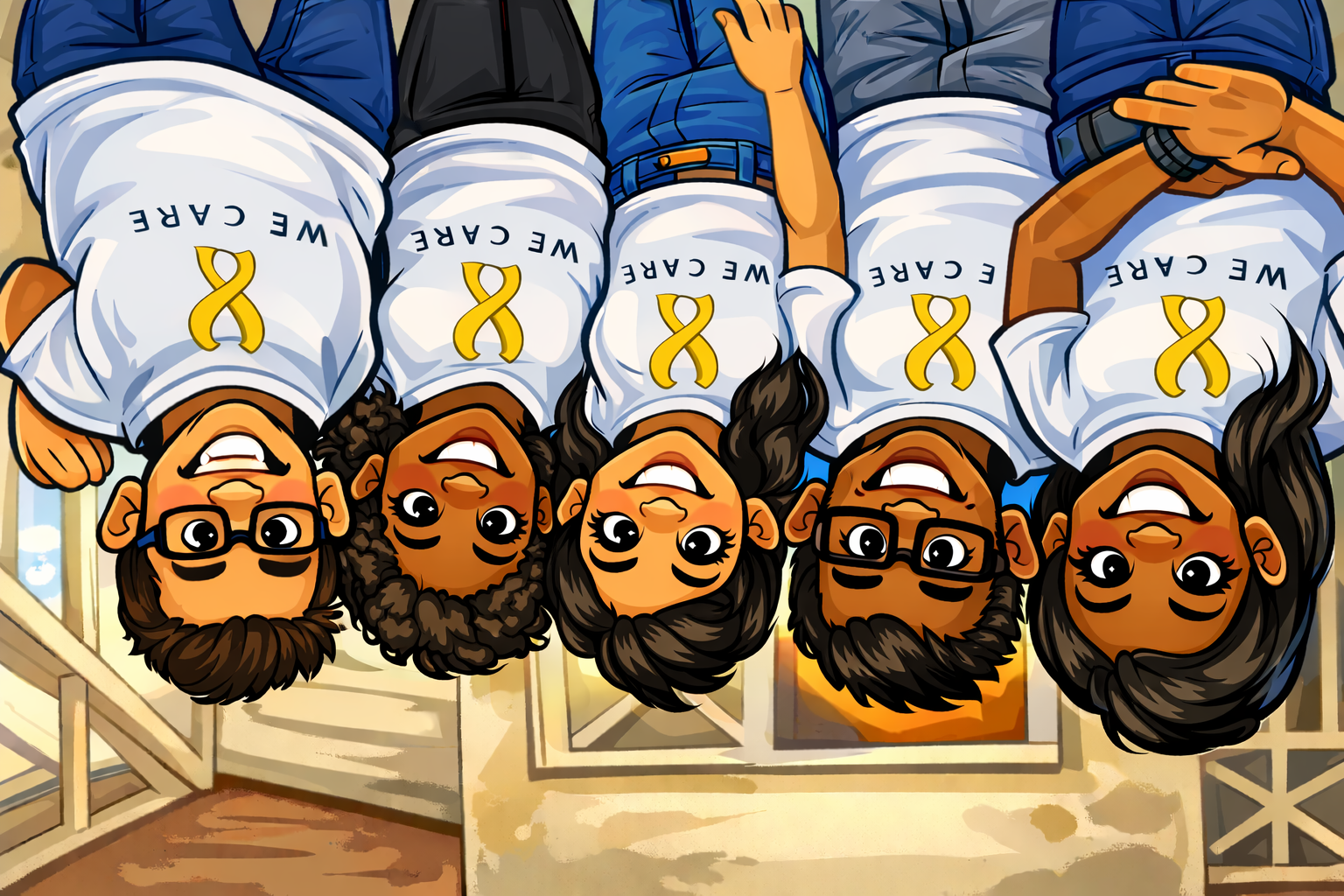
World Cancer Day fell on February 4 this year. Across social media, one idea kept showing up, and it was literally upside down. The challenge asked people to post a photo or video flipped upside down and begin with the words, “Cancer turned my world upside down”. Survivors, caregivers, nurses, friends, and advocates used the format to share what changed and what helped. Some spoke about delayed diagnoses and the barriers that kept them from care. Others talked about the pressure of supporting someone through treatment and the toll it can take.

The idea spread quickly on TikTok, Instagram, and X. People posted headstands, inverted selfies, and short clips using UICC filters and tools. The World Cancer Day website collected more than 1,000 stories and placed them on a Wall of Support, making it easy for visitors to hear many voices in one place. Public participation grew further when well known figures such as King Charles and the Princess of Wales took part and shared messages that pointed back to the need for fair access to screening, treatment, and emotional support.

Charities also adapted the challenge in practical ways. Some focused attention on specific cancers and funded research through related campaigns. Communities added in person versions in gyms, schools, and local art spaces. The message was clear – when people share what cancer has done to their lives, it helps others feel less alone and it strengthens the case for better care.

By the end of the day, the Upside Down Challenge had moved beyond individual posts to become a shared record of what people were carrying. The World Cancer Day site filled with testimonies, and the growing Wall of Support made the scale visible without reducing anyone to a number. Scrolling through it, you could see how different each experience was and how often the needs overlapped. Faster routes to screening, clearer information, help with travel, time off work, and steady emotional care. The upside down images were a hook, but the words did the work. They turned private disruption into something others could witness, answer, and remember.

Bridging Gaps, One Conversation at a Time

January 25, 2026 Monsey, New York – At MetLife Stadium, nearly 100,000 people filled the stands not for a game, but for the 13th Siyum HaShas—marking the completion of the Talmud cycle, where participants like Ralph Rieder and tens of thousands of others choose to study a page of Talmud each day for over seven years. It was a rare kind of moment: joyful, emotional, and deeply rooted in something bigger than any one individual. There’s something grounding about watching people come together over shared purpose—especially when that purpose spans generations, backgrounds, and perspectives.

At MetLife Stadium, nearly 100,000 people filled the stands not for a game, but for the 13th Siyum HaShas—marking the completion of the Talmud cycle, where participants like Ralph Rieder and tens of thousands of others choose to study a page of Talmud each day for over seven years. It was a rare kind of moment: joyful, emotional, and deeply rooted in something bigger than any one individual.

And yet, as monumental as it felt, it was also about something small and consistent—showing up each day, page by page. That quiet kind of consistency runs through so many efforts happening right now. In programs like Kesher Yehudi bringing people together for one-on-one learning, often bridging social and cultural divides in the process. There’s no fanfare—just conversation, empathy, and a growing sense of mutual respect.

In classrooms across the U.S. in towns like Monsey thousands of middle schoolers are engaged in daily Mishnah study through All Mishnah Jr., a program to grow thanks to engaging materials, strong leadership, and tools like the ArtScroll Mishnah series that make learning more accessible for young students. Each day, another page, another spark of curiosity.

Much of this work is made possible thanks to a network of people who care deeply—not for recognition, but for results. Supporters like Ralph Rieder of Monsey and others have helped ensure these initiatives not only continue but thrive. Their involvement tends to happen offstage, but the effects are felt every day. Because lasting change rarely announces itself. It shows up in small steps, steady hands, and people who choose to invest where it matters most.

Readers’ Donations Support Scottish Children’s Charity

Readers of The Scottish Sun have contributed a total of £42,000 to support a Scottish children’s charity through a recent fundraising campaign. The appeal invited members of the public to donate in order to assist children and families facing hardship across Scotland.

The £42,000 raised will be used to fund projects that provide practical assistance and other forms of support for young people. These projects can include supplying basic items, backing local initiatives, and helping maintain services aimed at improving children’s day-to-day lives.

Organizers have indicated that this funding will help strengthen current programs and extend help to more communities. By adding to the charity’s budget, the donations make it easier to continue work focused on children experiencing social or economic disadvantages.

The outcome of the campaign shows how a reader-led effort can generate a significant financial contribution to third-sector work. The £42,000 total gives the organization additional capacity to operate and further develop initiatives for children in need across Scotland.

America Turns 250 With a Nationwide Call to Give Back

As the United States prepares to celebrate its 250th anniversary in 2026, a new national initiative is inviting Americans to honor the milestone through service, generosity, and community connection. Launched by the U.S. Semiquincentennial Commission, America Gives is a year-long call to action encouraging people across the country to volunteer in ways that strengthen their local communities and reflect shared civic values.

Rather than focusing on fireworks or single-day events, the initiative emphasizes year-round engagement, encouraging individuals, families, schools, and community groups to pledge time and take part in service projects that matter most to them. Participants can log their volunteer efforts online, helping create a visible, nationwide wave of service tied to the anniversary celebration.

Nonprofit and community organizations are central to the effort. Youth groups, environmental organizations, and hunger-relief partners are planning large-scale projects that invite broad participation, from neighborhood cleanups and food distribution to mentoring and local support initiatives. These efforts aim to make volunteering accessible and meaningful, especially for young people and first-time volunteers.

At its heart, America Gives is about bringing people together through service. Organizers hope the initiative will renew a culture of volunteering, strengthen local nonprofits, and remind Americans that giving back is one of the most powerful ways to celebrate the nation’s history. The ultimate goal is for the spirit of service sparked in 2026 to continue long after the anniversary year ends.

Child Investment Accounts Gain Major Philanthropic Support

Billionaires Michael and Susan Dell have committed $6.25 billion to support a new federal initiative aimed at expanding child investment accounts, known as Trump Accounts. The pledge represents one of the largest private donations ever directed toward children in the United States and is intended to encourage early savings and long-term investment for millions of families. The accounts were authorized under President Donald Trump’s tax and spending legislation and will be administered by the U.S. Treasury.

The donation is structured to provide a one-time contribution of $250 to eligible accounts for children under 10 who do not qualify for a separate federal newborn benefit. Children qualify based on the median household income of the ZIP code they live in, up to $150,000. This structure means the program could apply to a large majority of children in the targeted age range across the country. The Treasury plans to open the program on July 4, 2026, to coincide with America’s 250th anniversary.

Trump Accounts are designed as long-term investment vehicles rather than simple savings accounts. Initial public and private contributions will be invested through approved financial firms under federal oversight. Account holders gain access to the funds at age 18, with permitted uses including higher education, housing, or starting a business. The real potential lies in compounding growth over time, even from modest contributions.

The commitment signals a shift in the Dell family’s philanthropy, broadening it from education into efforts that support long-term financial security for children. Supporters see potential benefits, while others note that investment accounts are most effective when paired with social programs that support families. 

How Year-End Giving Shapes Nonprofits’ Fundraising

Today is Giving Tuesday, the annual day of philanthropy following Thanksgiving. Since its start in 2012, it has grown into one of the largest fundraising events for U.S. nonprofits. In 2024, Giving Tuesday donations reached $3.6 billion, reflecting its growing significance in the philanthropic calendar.

The day also marks the start of the year-end giving season. Nonprofits typically receive about 30% of their annual donations in December, with roughly 10% arriving in the final three days of the year. This concentration reflects both seasonal generosity and practical considerations, including tax planning.

Several factors may shape giving this year. Economic conditions, including inflation, may influence small-dollar donors. For example, a family that typically supports three local charities might focus on one or two this year. At the same time, strong stock market performance typically encourages larger contributions from major donors. Meanwhile, new tax legislation allowing deductions of up to $1,000 for individuals and $2,000 for couples, may affect giving decisions for many households..

For the 11% of Americans who itemize deductions, donations processed by December 31 can lower taxable income. Yet most donors give for reasons beyond taxes, motivated by community impact and seasonal goodwill.

Many nonprofits face increased demand for services while navigating funding changes, including recent adjustments to government programs. A local food bank, for instance, might see more families seeking assistance while managing reduced government grant funding. To balance these demands, many organizations are promoting donation-matching opportunities or monthly gifts to aid planning. Whether through Giving Tuesday or broader year-end campaigns, charitable giving remains shaped by a mix of personal motivation, community need, and financial considerations.

Massachusetts Wetland Restorations Transform Cranberry Country

As Americans prepare cranberry sauce for Thanksgiving, a quiet transformation is taking place in Massachusetts cranberry country. The berries long synonymous with the holiday are giving way to something equally valuable: restored wetlands that benefit both communities and ecosystems.

Massachusetts cranberry farming began when 19th-century farmers converted native wetlands into productive bogs, establishing an industry that would define rural communities for generations. Today, these farming families face mounting challenges as an aging workforce contends with declining berry prices and the impacts of climate change.

Rather than sell to developers, many growers are partnering with conservation organizations and government agencies in an unprecedented restoration effort. The Massachusetts Division of Ecological Restoration, working alongside nonprofits like the Harwich Conservation Trust, has facilitated the conversion of eight cranberry bogs back to natural wetlands, investing over $27 million. A dozen other projects are planned for the near future.

This is environmental philanthropy in action. Federal, state, and local funding covers restoration costs and provides farmers with viable economic solutions to the industry’s challenges. For example, the Harwich Conservation Trust has restored over 120 acres, allowing farmers to choose conservation and preserve their land for future generations.

The ecological benefits of restored wetlands are substantial. They act as natural water filters, removing pollutants before they reach harbors and coastal areas. At the Eel River Preserve, century-old seeds preserved in peat have naturally regenerated native plants. This has created diverse habitats supporting wood frogs, hawks, muskrats, and beavers. Various bird species, including great blue herons and egrets, have returned to areas where they hadn’t been seen for decades.

For local communities, the wetlands serve as natural barriers against rising seas and extreme weather, offering storm surge protection and flood control. At the Cold Brook restoration on Cape Cod, a stream flows for the first time in a century, naturally processing nitrogen-rich water and saving millions in wastewater treatment costs. The sites also create recreational opportunities for hikers, bikers, and birdwatchers.

Massachusetts is showing how collaboration between farmers, nonprofits, and government agencies can transform a struggling agricultural industry into a model of ecological sustainability. This creative solution to both ecological and business challenges will serve both nature and local communities for generations to come.

Packers Tackle Cancer: Philanthropy Takes the Field at Lambeau

Philanthropy played a visible role at Lambeau Field this week as the Green Bay Packers kicked off their annual “Packers Vs. Cancer” campaign, in partnership with Emplify Health and the Vince Lombardi Cancer Foundation. The campaign took place during Sunday’s matchup against the Cincinnati Bengals on October 12, spotlighting efforts to raise awareness and funds for cancer research, patient care, and early screening programs.

Fans received special Packers Vs. Cancer bandanas. They were also encouraged to purchase exclusive merchandise like knit hats, with $5 from each sale benefiting the Vince Lombardi Cancer Foundation. Supporters could also contribute through donations at the Packers Pro Shop, where the team pledged to match fan contributions up to $10,000.

During the game, cancer survivors and their families were recognized on the field, and several players shared personal connections to cancer, emphasizing the importance of community involvement. Outside the stadium, Packers representatives have been visiting local schools to promote cancer awareness and support related initiatives.

The campaign extends beyond game day through partnerships with organizations such as Ribbon of Hope and the Spierings Cancer Foundation. While the total raised this year has not yet been released, previous efforts have generated tens of thousands of dollars. The Packers’ continued philanthropy reflects their long-standing commitment to Wisconsin communities through health, youth, and leadership programs.

A $100 Million Push Toward Greener Chemistry

The Gordon and Betty Moore Foundation is making a big move in the world of sustainability with a $100 million investment in green chemistry research. Spread over the next seven years, the initiative is aimed at rethinking how we make the chemical materials that touch nearly every part of our lives.

Why This Matters

At its heart, green chemistry is about designing things in ways that are safer for both people and the planet. Instead of chasing the next product launch, this program zooms in on the fundamental science—like understanding molecular behavior, creating more responsive materials, or finding smarter ways to use energy. The long-term goal: new approaches that can reduce hazards before they’ve even entered the system.

How It Works

This isn’t a push to commercialize technology overnight. It’s about giving researchers the room to experiment, test bold ideas, and see what new possibilities emerge. By welcoming input from chemists, biologists, engineers, and other experts, the initiative hopes to spark collaborations that might not happen otherwise—and with them, creative solutions to long-standing sustainability challenges.

What’s Next

A big part of the plan centers on openness. The research results will be shared widely, making it easier for other scientists to pick up the ideas and build on them. The goal is progress that spreads and snowballs, rather than staying siloed in individual labs.

The Big Picture

This marks one of the largest green chemistry investments in the United States so far, signaling just how much potential organizers see in basic science as a driver of change. If all goes well, the discoveries made here could lay a foundation for a future where chemistry is cleaner, safer, and more aligned with the needs of a sustainable world.